Therapy That Fits Individual Needs
Every child receives a therapy plan based on their individual needs, strengths, communication challenges, and goals.

For children who have difficulty speaking clearly, we offer supportive, play-based speech therapy designed to help them communicate with greater ease and confidence.
Talk With Our Team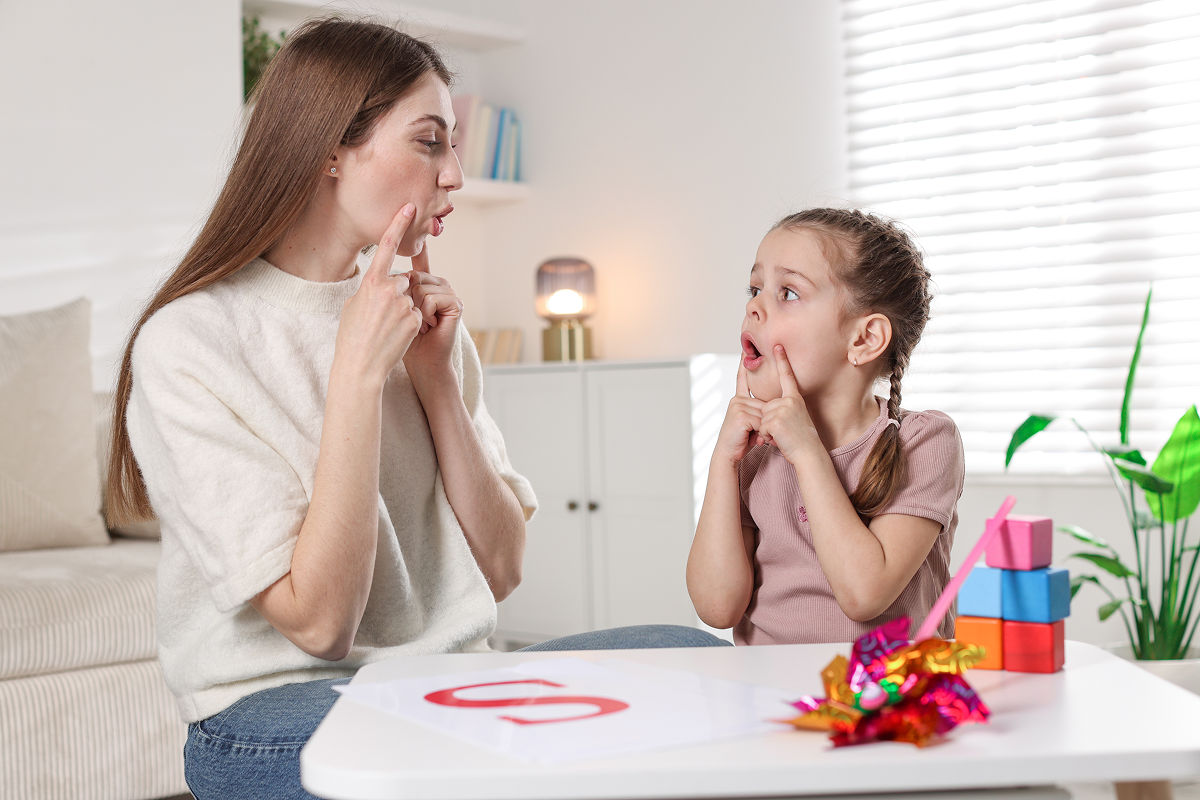

Childhood apraxia of speech is a motor speech condition that can make it difficult for a child to plan and coordinate the movements needed to produce sounds, words, and sentences. Children with apraxia often know what they want to communicate, but their brain may have difficulty organizing the precise mouth movements required for clear and consistent speech. As a result, a child's speech may be unclear, inconsistent, or effortful, even when they understand language well. They may have difficulty repeating words, moving smoothly between sounds, or being understood by others, which can affect their confidence, learning, and everyday interactions over time.

Your child may find it challenging to plan and form certain speech sounds clearly when trying to communicate.
The same word may not sound the same each time your child attempts to say it.
Connecting sounds together may be difficult, making speech seem slow, broken, or effortful.
You may notice extra or unusual mouth movements as your child works to form sounds and words.
Your child may rely on a smaller range of speech sounds when communicating.
Speech may remain difficult to understand, including for people who are familiar with your child.
Childhood apraxia of speech affects the way the brain plans and coordinates the movements involved in speaking. In many situations, there is no single known cause. For some children, neurological, genetic, or developmental differences may influence their ability to develop clear and coordinated speech.
Our therapy programs are designed to work on sound planning, sequencing, and coordination while helping children develop clearer and more confident communication.
We begin with an evaluation to learn more about your child's speech patterns, communication strengths, and individual needs.
We assess how your child plans and coordinates the mouth movements needed to produce speech clearly.
Using what we learn during the assessment, we create a personalized therapy plan focused on your child's specific apraxia-related communication needs
We regularly review your child's progress and provide practical home strategies that families can use to continue supporting development between sessions.

Every child receives a therapy plan based on their individual needs, strengths, communication challenges, and goals.

Your child works with therapists who are trained in supporting speech and communication development in children.

Our team can help answer questions about coverage, referrals, and scheduling, making it easier for families to get started.
Focused therapy sessions help children work on speech clarity, sound sequencing, and the motor planning skills needed for communication.
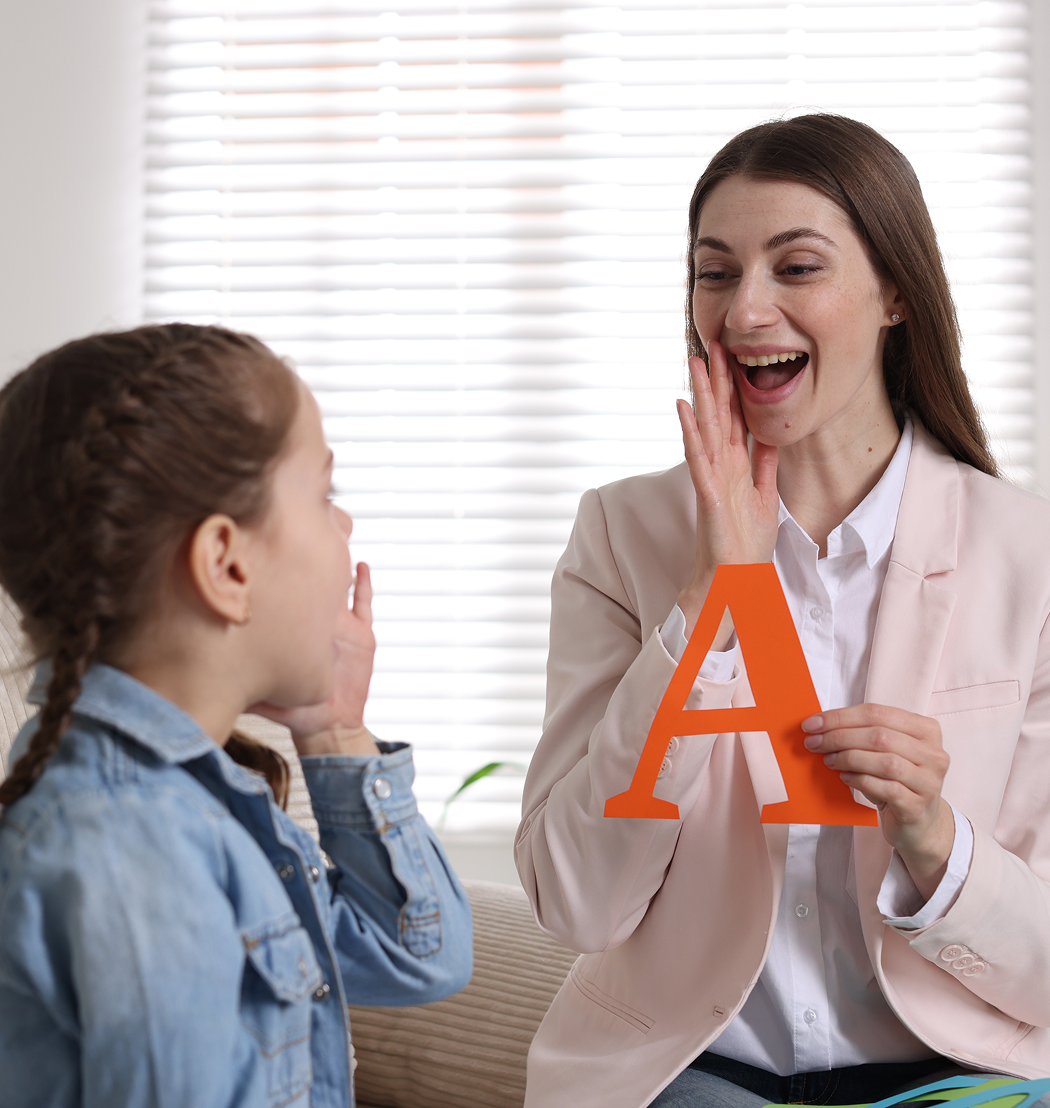
Engaging, child-friendly activities create opportunities to practice speech while helping children feel comfortable and confident.
Parents receive simple strategies they can use at home to reinforce the skills their child is working on between therapy visits.
Regular progress checks allow us to understand how your child is developing and make thoughtful changes to the therapy plan when needed.
Common Questions
Apraxia involves difficulty planning and coordinating the movements used for speech, while a speech delay generally means a child is developing speech sounds at a slower pace.
Every child's therapy journey is different. The length of therapy depends on their individual needs, progress, and goals.
Early therapy can help strengthen communication skills and may reduce challenges that can affect learning and language development.
Parents are encouraged to be part of the therapy process and learn strategies that can support their child's communication at home.
Many therapy activities incorporate play-based techniques to keep children engaged while they practice and develop speech skills.
get started
Early support can help children develop stronger communication skills and greater confidence during everyday interactions. Our therapists work closely with families to understand each child's needs and create a supportive path that encourages continued progress.
Book Your Visit