Personalized Therapy Plans
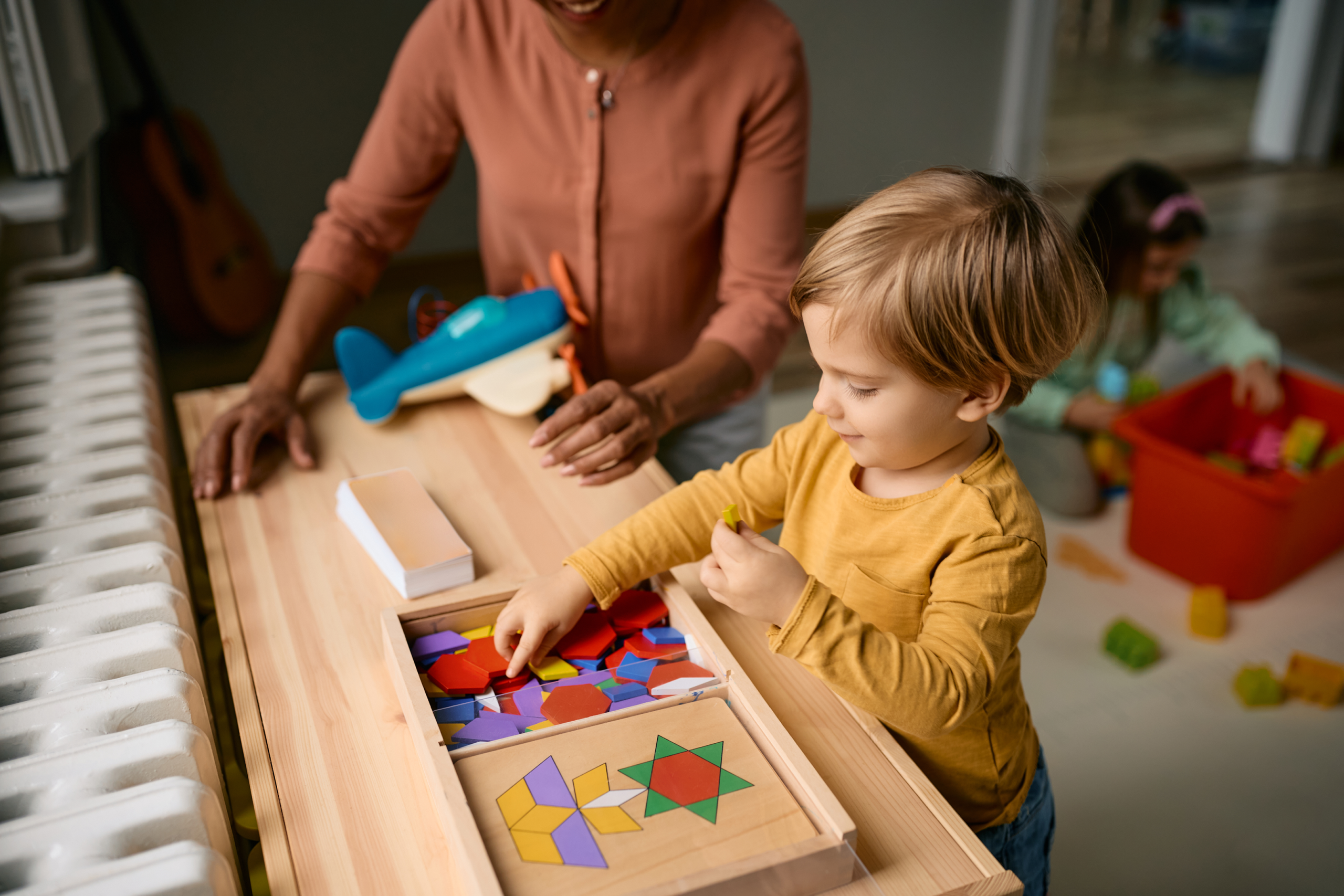
Every child receives a therapy plan designed around their individual needs, strengths, abilities, and developmental goals.

For children who have difficulty with everyday hand movements and activities, we provide supportive, play-based therapy that helps build coordination, independence, and confidence.
Talk With Our Team
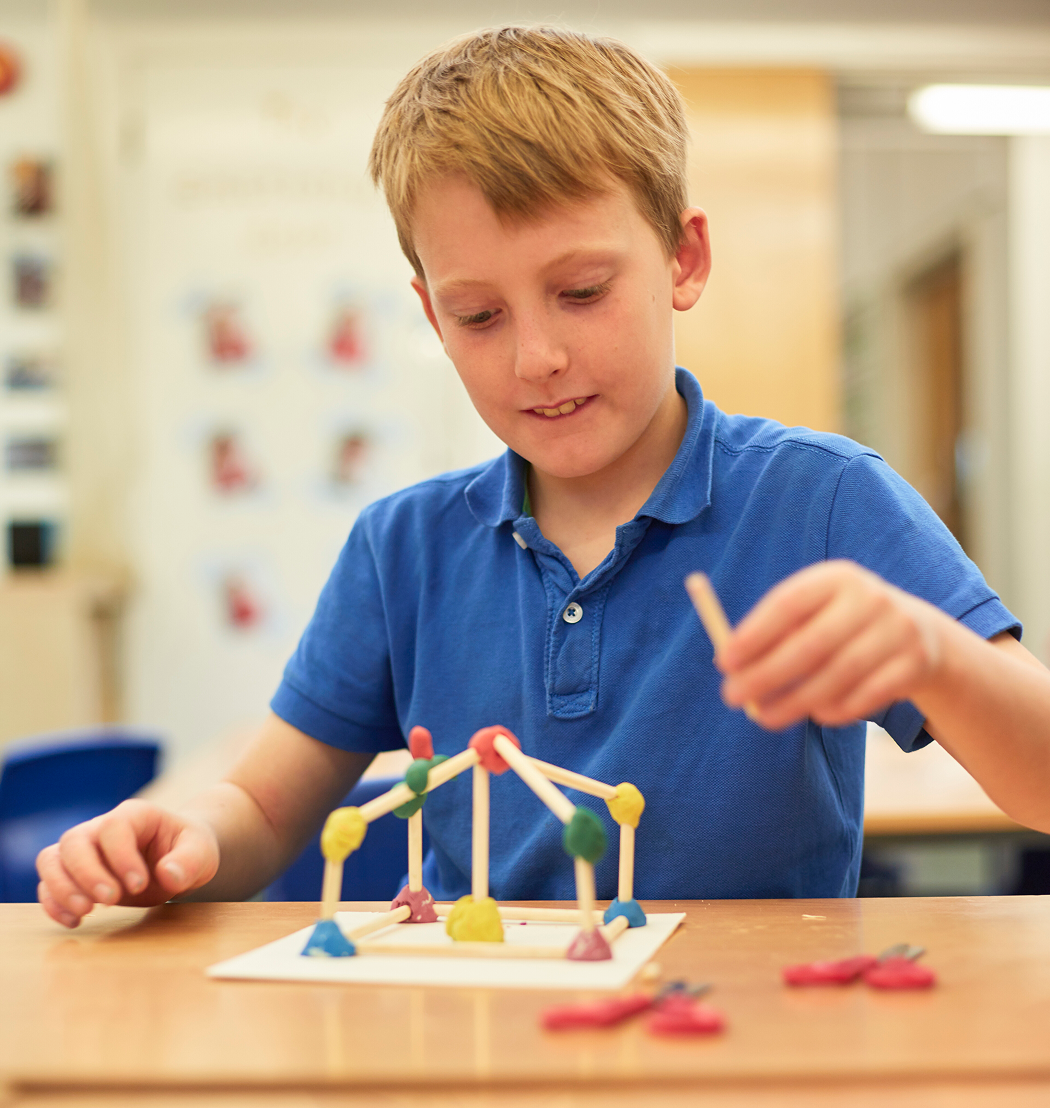
Fine motor delays can affect a child's ability to control and coordinate the small muscles in their hands, fingers, and wrists. These skills play an important role in everyday activities such as writing, drawing, using scissors, getting dressed, eating, playing, and handling objects. When these skills develop more slowly, tasks that may seem simple can become frustrating or require additional support. With the right guidance and opportunities to practice, children can work toward improving their hand skills and becoming more confident in everyday activities.

Your child may find activities such as drawing, coloring, tracing, or writing difficult because they require controlled hand and finger movements.
Using scissors safely and accurately may be challenging, especially when an activity requires both hands to work together.
Your child may need extra help with dressing tasks that involve small fasteners and precise finger movements.
Holding pencils, toys, utensils, or other objects may be difficult when your child's grip or hand strength is still developing.
Your child may have difficulty coordinating what they see with how their hands move during play and everyday activities.
Tasks that require small, precise movements may take longer, require additional effort, or lead to frustration for your child.
Fine motor development involves learning to control and coordinate the small movements of the hands and fingers. Children develop these abilities at different rates, and some may experience difficulties that affect their ability to complete age-appropriate activities.
Our therapy programs focus on helping children develop the coordination, control, and practical hand skills they need to participate more comfortably in everyday activities.
We begin by learning about your child's current abilities, everyday challenges, strengths, and the activities they may find difficult.
We look at the fine motor abilities, coordination, and functional skills your child uses during play, school activities, and daily routines.
Based on your child's needs and goals, we develop an individualized therapy plan focused on building practical fine motor abilities.
We review your child's progress regularly and provide families with simple strategies that can help reinforce developing skills between therapy sessions.

Every child receives a therapy plan designed around their individual needs, strengths, abilities, and developmental goals.

Your child works with therapists experienced in supporting children's development and building the functional skills needed for everyday life.

Our team can help with questions about coverage, referrals, and scheduling to make starting therapy a simpler process.
Focused therapy sessions help children work on hand control, coordination, strength, and the fine motor abilities needed for everyday activities.
Engaging activities allow children to practice important motor skills through play while building comfort, participation, and confidence.
Parents receive practical strategies and activities they can use at home to reinforce the skills their child is developing during therapy.
We regularly check your child's progress and make thoughtful adjustments to their therapy plan as their abilities and needs develop.
Common Questions
Fine motor delays can affect a child's ability to perform age-appropriate activities that require hand strength, coordination, control, or precise finger movements. An assessment can help determine whether additional support may be beneficial.
The length of therapy varies from child to child and depends on their individual needs, progress, and therapy goals.
Fine motor skills are used for many school activities, including writing, drawing, cutting, and handling classroom materials. Difficulties with these skills may make some school tasks more challenging.
Yes. Parents are encouraged to participate in the process and learn strategies they can use to support their child's development at home.
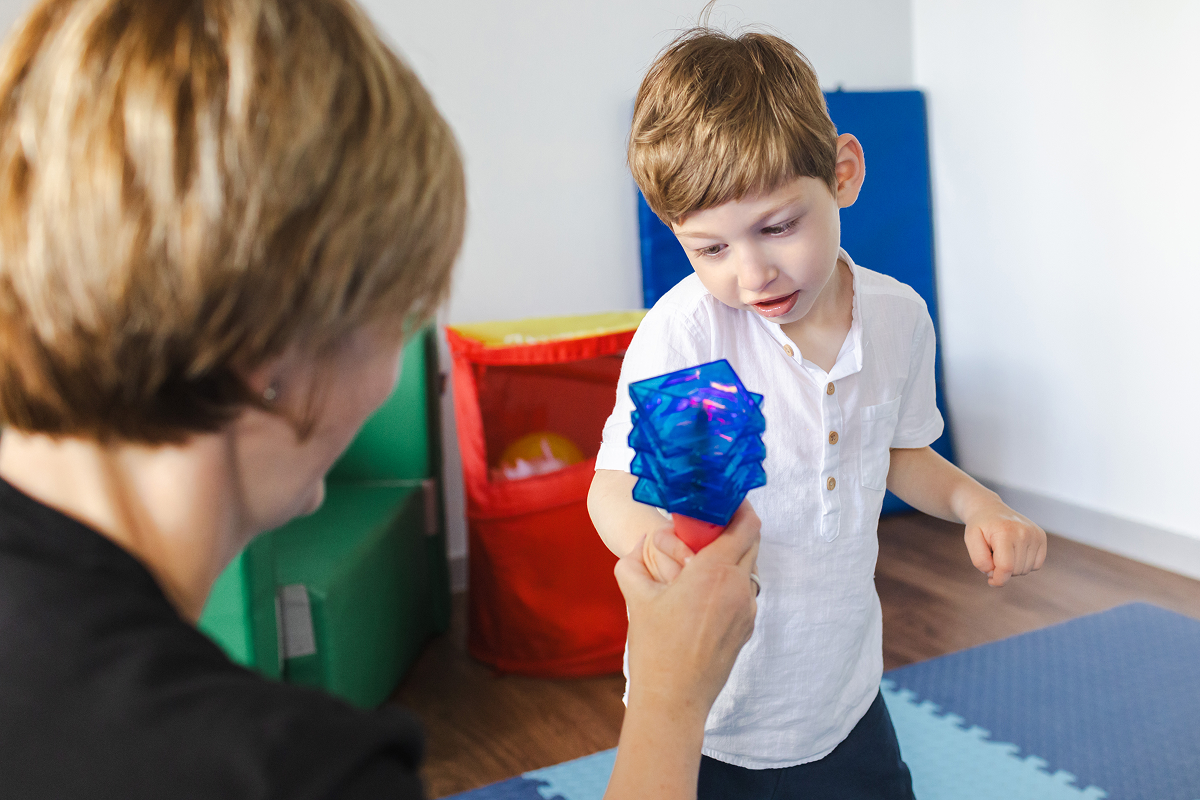
Many therapy activities incorporate play to keep children engaged while they practice coordination, hand control, and other fine motor skills.
get started
Early support can help children develop stronger fine motor abilities and feel more confident taking part in everyday activities. Our therapists work closely with families to understand each child's needs and create a supportive path toward greater independence and continued progress.
Book Your Visit