Personalized Therapy Plans
Every child receives a therapy approach built around their individual needs, strengths, challenges, and developmental goals.

For children who have difficulty managing emotions, handling frustration, or responding calmly to everyday situations, we provide supportive, play-based therapy that helps build emotional awareness, coping skills, and confidence.
Talk With Our Team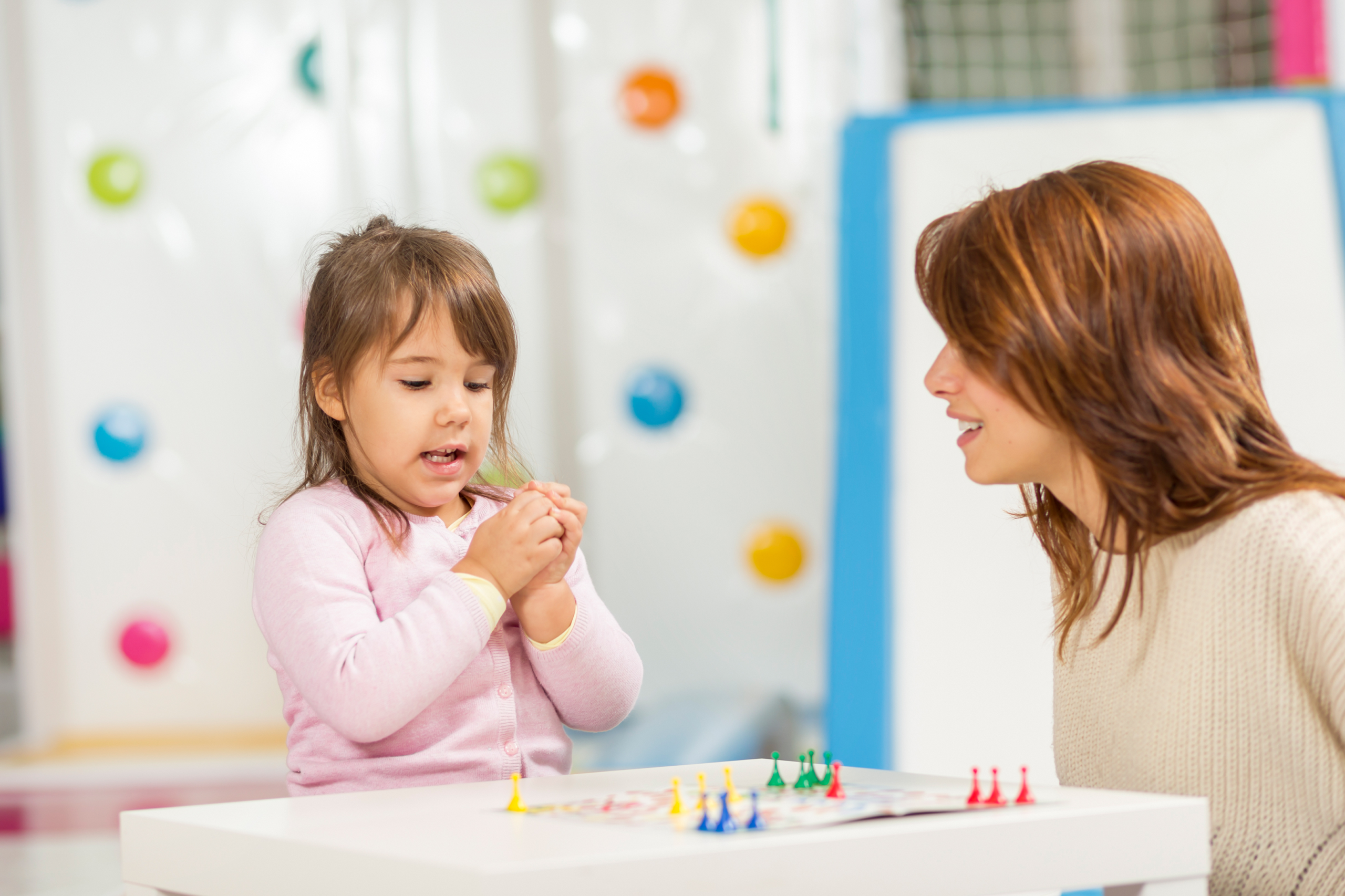

Emotional regulation challenges can make it difficult for children to understand, manage, and respond to their emotions in ways that are appropriate for different situations. A child may become overwhelmed by strong feelings such as anger, frustration, sadness, or excitement and have trouble calming their body or communicating what they are experiencing. These difficulties can affect everyday routines, relationships, learning, play, and a child's ability to participate comfortably in different environments. With the right support, children can learn strategies that help them recognize emotions, manage difficult moments, and respond with greater confidence.

Your child may experience strong emotional reactions or frequent outbursts when they become overwhelmed.
Once your child becomes frustrated or distressed, they may need significant time or support to return to a calmer state.
Small challenges, changes, or situations that do not go as expected may quickly lead to frustration or emotional distress.
Big emotions may show through physical reactions such as crying, shouting, withdrawing, or difficulty staying settled.
Your child may find it difficult to identify what they are feeling or explain their emotions to others.
Your child may avoid activities, environments, or situations when they expect them to feel difficult or overwhelming.
Children develop emotional regulation skills at different rates. Some may have difficulty understanding their emotions, managing strong reactions, adapting to changes, or using appropriate coping strategies. Emotional regulation challenges may be influenced by differences in sensory processing, communication, development, or a child's ability to manage everyday demands.
Our therapy programs help children build practical strategies for recognizing emotions, managing challenging moments, and responding more comfortably during everyday activities.
We begin by learning about your child's emotional responses, everyday routines, strengths, challenges, and the situations that may be difficult for them.
We look at how your child responds to emotions, changes, sensory experiences, frustration, and different everyday demands.
Based on your child's individual needs and goals, we develop a therapy plan focused on building practical emotional regulation and coping skills.
We regularly review your child's progress and provide parents with strategies that can help reinforce regulation skills during everyday situations at home.

Every child receives a therapy approach built around their individual needs, strengths, challenges, and developmental goals.

Your child works with therapists experienced in supporting children's emotional, sensory, and developmental needs.

Our team can assist with insurance questions, referrals, and scheduling to make the process of getting started with therapy easier.
Focused sessions help children develop practical strategies for managing emotions, coping with challenges, and participating more comfortably in everyday activities.
Engaging activities allow children to practice emotional and coping skills through play in a supportive and comfortable environment.
Parents receive practical strategies they can use at home to reinforce the skills and approaches introduced during therapy.
We regularly review your child's development and adjust the therapy plan as their emotional regulation skills and individual needs change.

Common Questions
Children naturally experience strong emotions, but ongoing difficulty managing those emotions may interfere with everyday routines, relationships, learning, or participation in activities.
The length of therapy varies for each child and depends on their individual needs, progress, and therapy goals.
Difficulty managing emotions can sometimes make it harder for children to handle classroom demands, changes, frustration, or social situations.
Yes. Parents are encouraged to participate in therapy and learn strategies that can support their child's emotional regulation at home.
Many therapy activities incorporate play-based approaches to keep children engaged while they practice emotional awareness, coping, and regulation skills.
get started
Early support can help children develop stronger emotional regulation skills and greater confidence when navigating everyday situations. Our therapists work closely with families to understand each child's needs and create a supportive approach that helps children build practical skills both during therapy and at home.
Book Your Visit